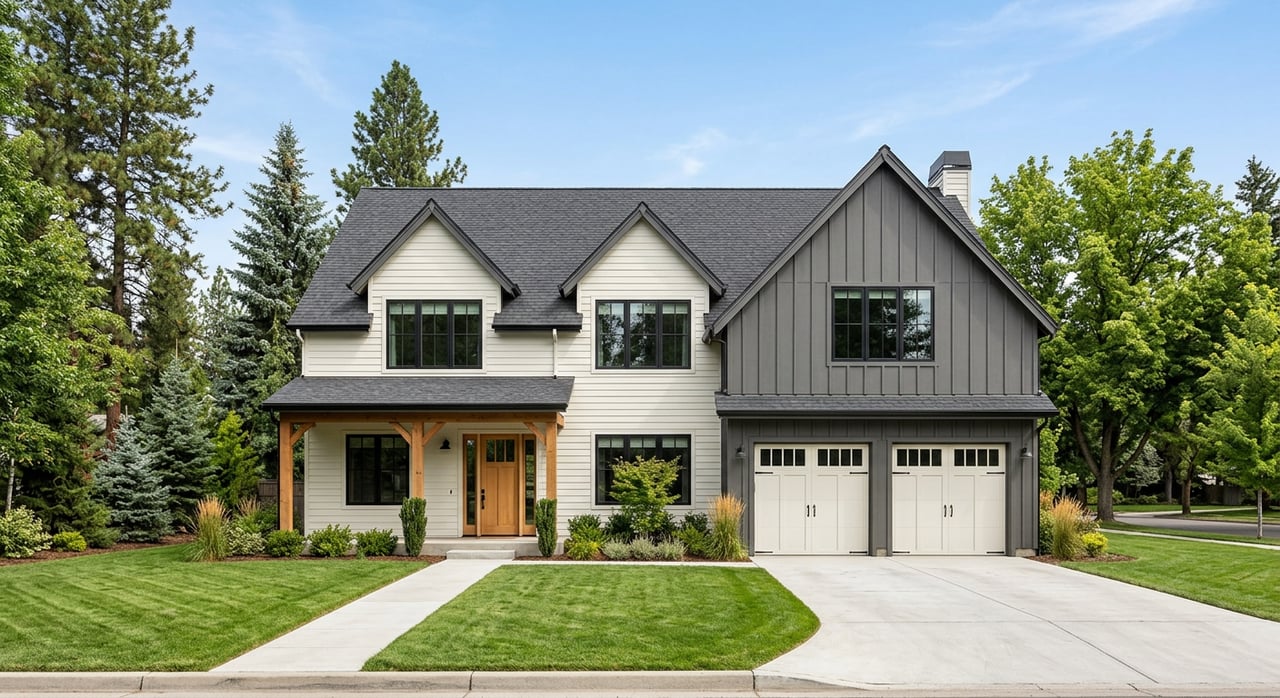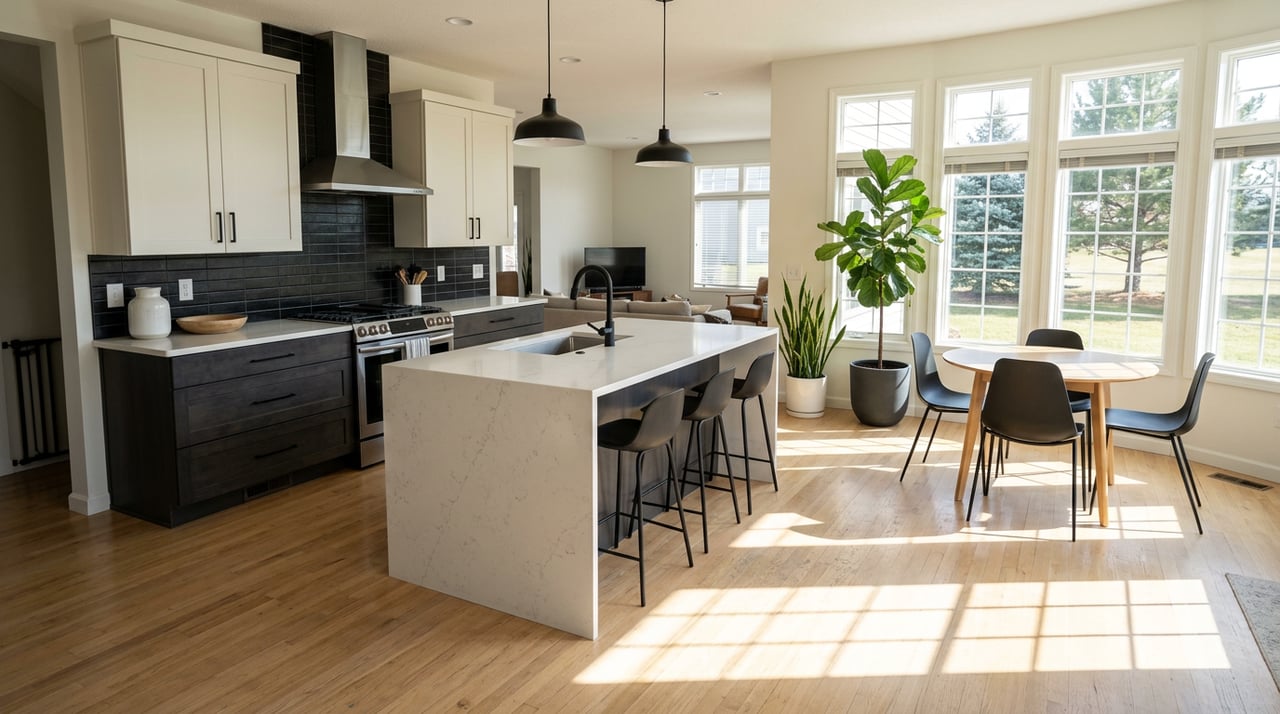
Buying your first home should feel exciting, not overwhelming. If you’re eyeing Commerce City for value, space, and easy access to Denver, you’re in the right place. In this guide, you’ll learn what homes cost today, where to look, how to commute, and the steps to get keys in hand with confidence. Let’s dive in.
Why Commerce City works for first-time buyers
Commerce City sits on Denver’s northeastern edge with strong highway access and growing amenities. The city’s estimated population reached about 70,245 as of July 1, 2024, with a median household income around $111,972, which helps support steady housing demand and local services. You also benefit from a mean commute time of about 29.7 minutes, a helpful stat if you work in central Denver or near the airport. You can confirm these figures in the Census QuickFacts for Commerce City for a fuller picture of the community’s profile.
Transit adds flexibility. RTD’s N Line provides a rail link to Denver Union Station from the Commerce City/72nd area, which many first-time buyers use a few days a week or as a backup to driving. Learn more about the line and service pattern on the N Line overview.
Current market snapshot
Home prices in Commerce City are generally more approachable than in Denver’s core. Recent market trackers show a median sale price near 485,000 as of February 2026, with Zillow-style home value indexes around 486,000 and median listing prices in late 2025 closer to 510,000 to 515,000. Those differences reflect how each number is calculated: actual closed sales vs. asking prices vs. automated value indexes, and they are also reported at different times. Use these as general guideposts rather than exact quotes for any one address.
Market temperature is closer to balanced than during the 2021–2022 peak. Days on market have lengthened, and more listings see price reductions than a few years ago. Well-priced homes still sell close to asking, but today’s conditions favor prepared first-time buyers who are patient, pre-approved, and ready to negotiate.
What you can expect by budget
- Entry tier: Some condos and smaller townhomes can appear under 300,000 to 350,000, with many starter townhomes in the low-to-mid 300s. Inventory in this range fluctuates month to month.
- Typical first single-family: Expect the low 400s to the mid or upper 600s based on size, age, and lot. Newer builds and larger lots trend higher.
- Upper tier: Golf-course and larger-lot homes can range from 700,000 to 1 million-plus, with premium options in pockets such as Reunion and Buffalo Run.
Neighborhoods and home types
Master-planned communities. Reunion and Buffalo Run offer newer single-family homes, parks, trails, and nearby retail. Much of this stock was built in the 2000s and 2010s. Ongoing city road improvements support continued growth and access, which benefits day-to-day life and long-term appeal.
Older mixed neighborhoods. Closer to the 72nd corridor and the Denver line, you’ll find older single-family homes and small multifamily properties near some industrial areas. When touring, check traffic patterns, noise at different times, and long-term land use around your target block so you understand the local context.
Townhomes and condos. These homes cluster near shopping and newer subdivisions and are popular with buyers seeking lower maintenance or smaller down payments. HOA fees vary by community and amenities, so factor them into your payment and have your agent verify the latest dues, reserves, and any special assessments.
Getting around
Commerce City connects quickly to I-76, I-270, and E-470, with Tower Road offering a direct path toward Denver International Airport. The city is also investing in road projects along key corridors such as 88th, 96th, and 120th. If you commute, ask about any planned work near your route and how it might affect drive times.
Prefer rail? The RTD N Line links the area to Denver Union Station. Many buyers drive to the station, then ride downtown for work or events. It’s smart to check current schedules and parking options so you know how rail fits your routine.
Costs beyond the mortgage
Rent context. Median gross rent in Commerce City is about 1,880 according to the Census. Recent rent snapshots show typical 1-bedroom to 2-bedroom ranges from roughly 1,500 to 2,200 depending on size and location. Use these figures to compare renting and buying as you set your budget.
Property taxes and fees. Property taxes are administered by Adams County. Review how taxes are calculated and billed, and remember to add HOA dues, homeowners insurance, utilities, and maintenance to your monthly affordability. A realistic budget puts you in a stronger negotiating position.
Schools. Most addresses in Commerce City fall within Adams County School District 14, but assignments vary by address. Always verify your exact school assignment with the district and confirm any open enrollment options.
Environmental and due diligence
Commerce City includes active industrial areas and a large refinery that has been the subject of recent enforcement and legal actions around air emissions. When you tour, check proximity to industrial facilities, review recent air-quality reporting, and visit potential homes at different times of day. Your inspection and seller disclosures should also be reviewed closely.
On the positive side, the Rocky Mountain Arsenal National Wildlife Refuge offers extensive trails, wildlife viewing, and open space. Some parcels in the region have industrial or remediation histories, so ask for environmental disclosures, confirm property history, and consult city or county maps as you evaluate locations.
Timeline and how to buy in this market
A typical first-time purchase follows a steady path:
- Pre-approval: 1 to 3 days if your documents are ready. Allow more time if you are organizing income or credit items.
- Home search: Often a few weeks to a few months depending on season and budget.
- Offer and escrow: Once accepted, most closings run 30 to 45 days. Recently, median days on market in Commerce City have been roughly 50 to 75 days, with slower winter months and a busier spring and summer.
Financing and CHFA help
Colorado Housing and Finance Authority (CHFA) offers low down payment loans and down payment assistance options many first-time buyers use. Programs may require CHFA-approved homebuyer education. Connecting with a CHFA-approved lender early helps you compare products, understand assistance amounts, and lock a realistic budget.
Smart offer strategy
In today’s market, well-prepared buyers stand out. Consider these tactics:
- Get a strong pre-approval and have earnest money ready.
- Focus on well-priced homes and be willing to move quickly when the fit is right.
- Keep critical protections like inspection, but simplify contingencies where you feel comfortable.
- Ask about seller credits for closing costs or interest-rate buydowns, especially on homes with longer market times or recent price drops.
Rent vs buy in Commerce City
Comparing rent to an entry-level purchase can clarify your next move. Use the median gross rent of about 1,880 and current local rent ranges as your baseline. Then consider:
- Your likely purchase price, down payment, and program type, including any CHFA assistance.
- Monthly costs beyond principal and interest, including taxes, insurance, HOA dues, and utilities.
- Your time horizon. Many buyers aim for a 7 to 10-plus year hold to participate in long-term equity growth in the Denver metro. Your actual path depends on location, condition, and market timing.
A local lender can model scenarios for you in minutes so you can see break-even timelines and total monthly costs side by side.
Your first-step checklist
- Get pre-approved with a CHFA-aware lender if you plan to use down payment assistance.
- Build a full budget that includes Adams County property taxes, HOA dues, insurance, and commuting costs.
- Pick 2 to 3 target areas, such as Reunion, Buffalo Run, and a closer-in neighborhood, and review the past 6 months of comparable sales.
- Visit properties at different times of day and check proximity to industrial corridors, plus recent air-quality reporting.
- Complete CHFA-approved homebuyer education if you plan to use assistance.
Ready to explore?
If Commerce City feels like a fit, you deserve a trusted local guide who will slow the process down, explain each step, and help you negotiate with confidence. Connect with Alfredo Rodriguez for a friendly, high-touch plan tailored to your timeline and budget. Schedule your free consult with Alfredo Rodriguez and start your first-home journey today.
FAQs
Is Commerce City cheaper than Denver for first-time buyers in 2026?
- On average, yes. Recent reports show Commerce City’s median home prices below core Denver, which is why many first-time buyers consider it for better value and space.
What price range should I expect for starter homes under 400,000 in Commerce City?
- Inventory changes monthly, but you can sometimes find condos and townhomes under 300,000 to 350,000 and occasional smaller single-family homes near 400,000 depending on season and condition.
How long does it take to close on a first home in Commerce City?
- After an accepted offer, most closings run about 30 to 45 days, with total timelines varying based on pre-approval speed and inspection or appraisal steps.
Which school districts serve Commerce City addresses?
- Many homes are within Adams County School District 14, but boundaries vary by address; verify assignment directly with the district before you make an offer.
Are there environmental concerns near industrial areas in Commerce City?
- The region includes active industrial facilities and a refinery with recent enforcement actions; check distance to industrial sites, review air-quality reporting, and rely on inspections and disclosures.
What are my commute options from Commerce City to downtown Denver?
- Most residents drive via I-76, I-270, or E-470, while others use the RTD N Line to reach Denver Union Station; average commute time is around half an hour for many households.