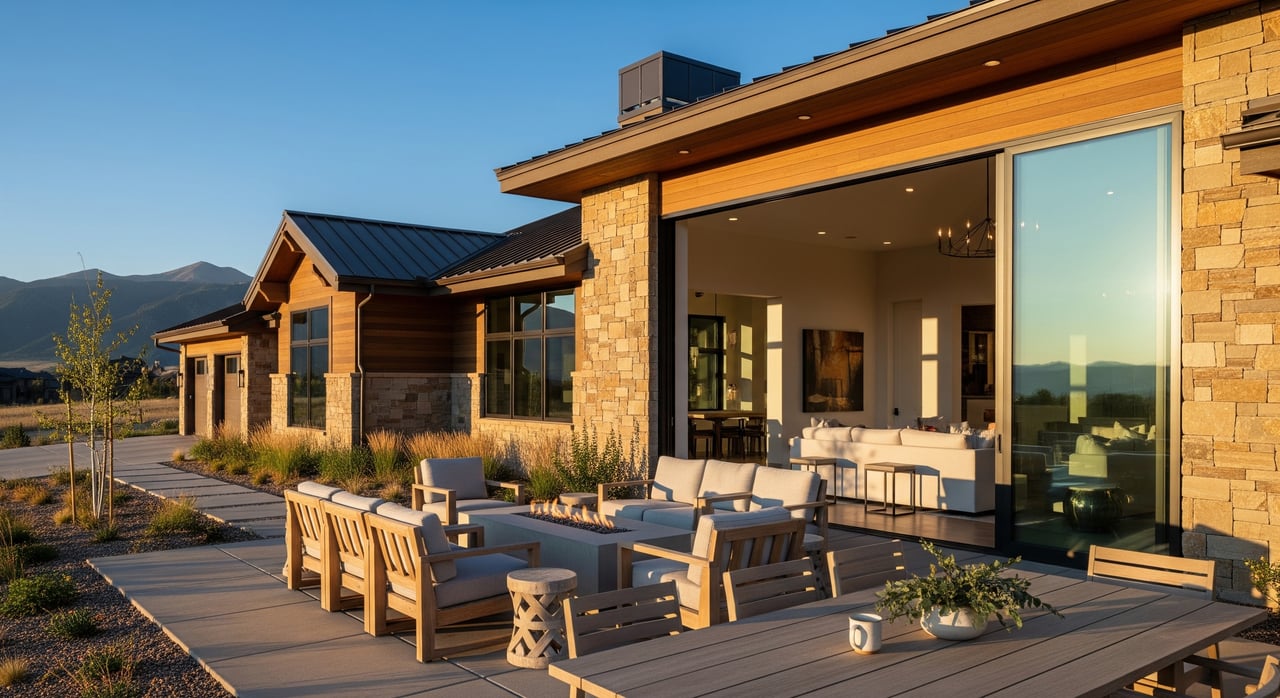
Wondering what day-to-day life in Parker, Colorado actually feels like? You might be weighing bigger yards and quiet streets against commute times and neighborhood amenities. This guide gives you a clear picture of housing, schools, commutes, parks, and practical planning so you can decide if Parker fits your lifestyle and budget. Let’s dive in.
Parker at a glance
Parker sits in Douglas County, southeast of Denver, along State Highway 83. You have quick regional access to E-470 and I-25, which link you to the Denver Tech Center, downtown Denver, and nearby suburbs. The setting combines suburban neighborhoods with pockets of open space and easy drives to larger recreation areas.
The climate follows the Front Range pattern: four seasons, low humidity, warm summers, and cold winters with snow. Seasonal weather shapes outdoor plans and home care, from winterizing irrigation to watching freeze-thaw on driveways and roofs.
Community character blends an older historic core with master-planned neighborhoods built since the 1990s. You’ll find a small-town main street feel downtown, plus newer town-center retail and mixed-use areas nearby. Community events, such as seasonal festivals and farmers markets, add to the local rhythm.
Housing and neighborhoods
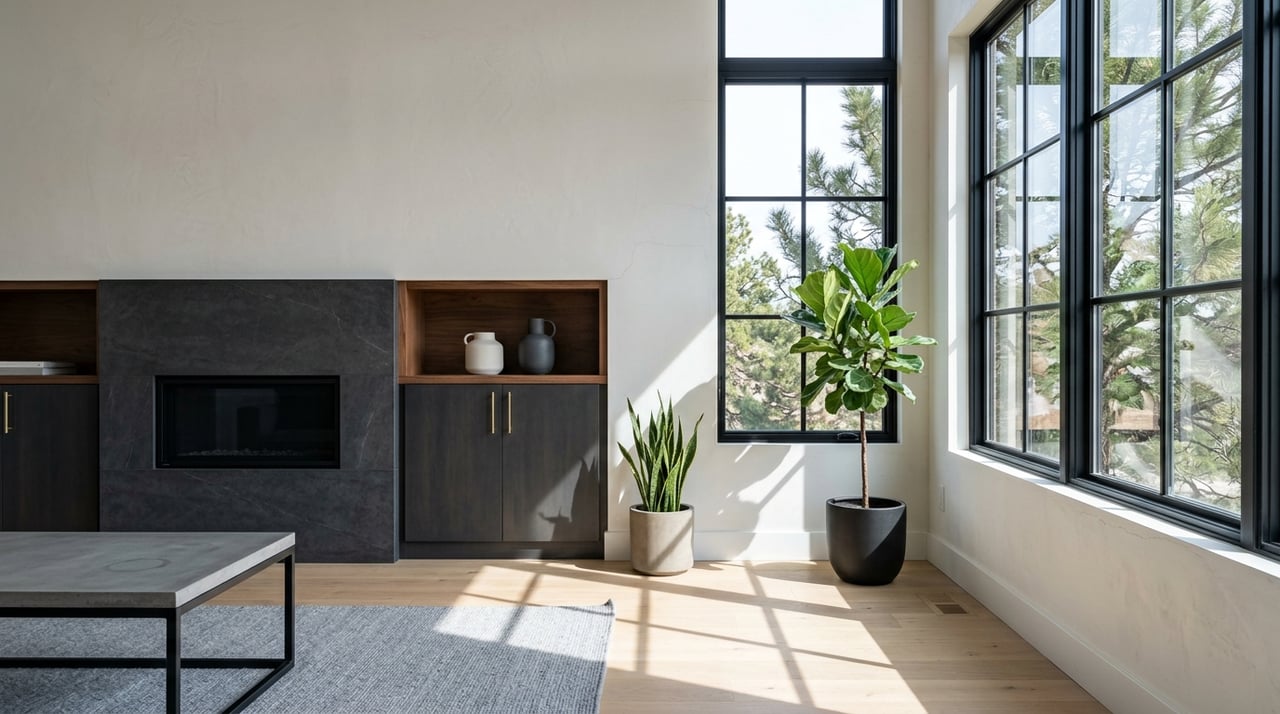
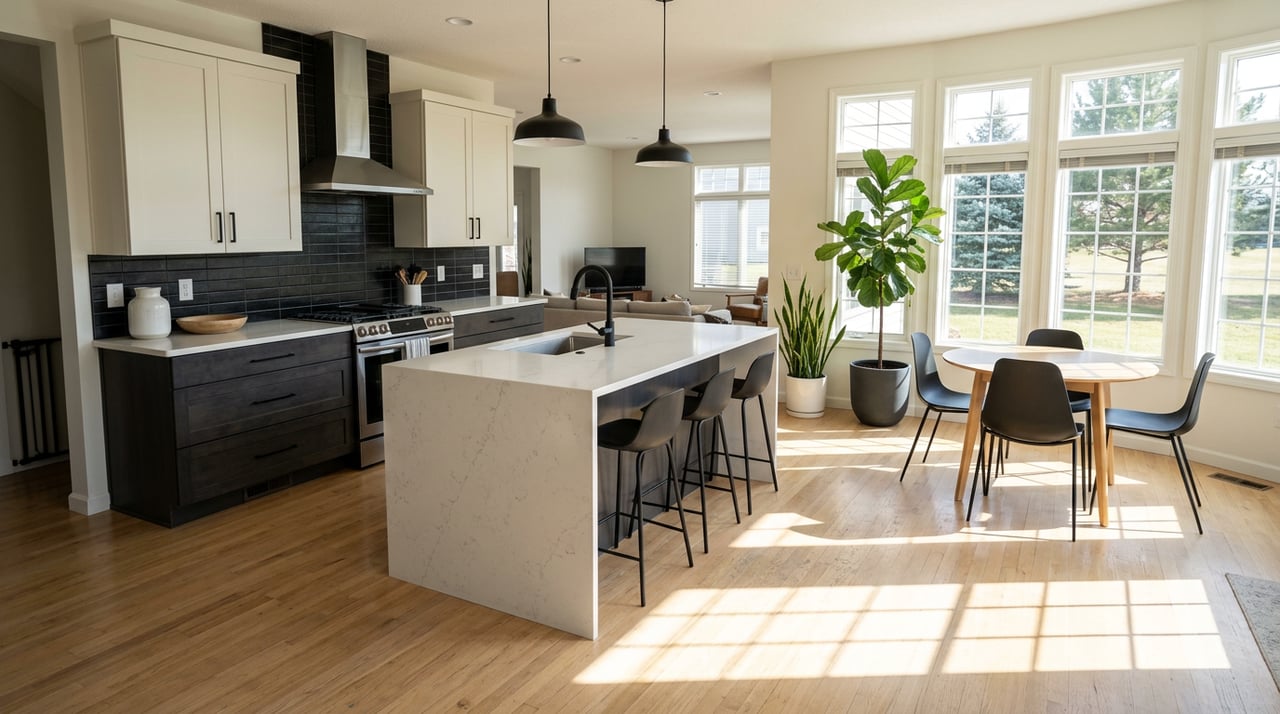
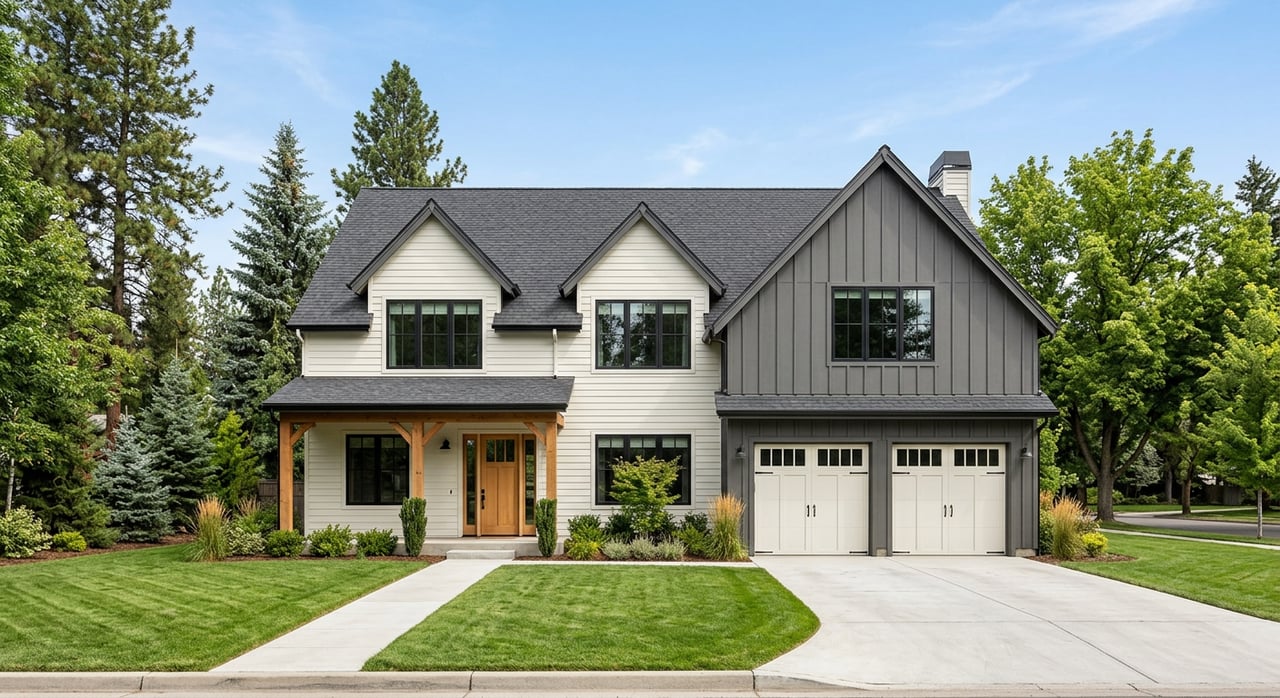
Parker’s housing is primarily single-family detached homes in ranch and two-story styles, with “contemporary suburban” layouts common in newer builds. You’ll also see townhomes and some multi-family options near the town center and select subdivisions. Larger master-planned communities sit alongside acreage and rural-residential pockets in the broader planning area.
Development patterns to know
You’ll notice two eras of homes: an older core in and near historic Parker, and significant growth since the 1990s across master-planned neighborhoods. New construction continues in the area, subject to local approvals and regional growth controls. If you’re considering new-builds, ask about timelines, warranty coverage, and how future phases could affect traffic and amenities.
HOAs and amenities
Many neighborhoods have homeowners associations that maintain shared amenities like pools, parks, and trails. Others offer more independence with fewer shared facilities. Before you make an offer, review HOA covenants, fees, and any architectural guidelines so you understand the ongoing costs and rules.
What influences resale
Resale typically reflects school boundaries, proximity to downtown amenities, and access to major roads. Newer floor plans and updated finishes tend to attract more buyers, while older homes near the town center appeal to those seeking a classic, walkable setting. Track neighborhood-level trends through local MLS data and recent sales to align your timing and strategy.
What to check before you buy
- Property taxes and districts: Review parcel details and past assessments to estimate your tax obligation.
- HOA fees and rules: Confirm monthly or annual dues, reserve health, and covenants.
- Utilities and services: Verify water provider, sewer vs. septic, trash and recycling schedules, and internet options.
- Future development: Ask about planned infrastructure or nearby growth that could change traffic or views.
Getting around and your commute
Parker is largely car-dependent. The main artery is Parker Road, with fast connections to E-470 and I-25. Peak-hour congestion can build on routes heading toward I-25 and into Denver, so plan departure times and alternative routes, especially if you commute to downtown or the Tech Center.
Public transit is more limited than in central Denver. RTD light rail does not extend to Parker. There may be regional or express bus options and park-and-ride facilities in the broader south metro, though frequency is typically lower than urban cores. If transit matters to you, check current RTD schedules and park-and-ride availability to see if it fits your routine.
If you work remote or hybrid, Parker offers a comfortable home base with space to set up a home office and trails for midday breaks. For in-office days, cluster errands and try flexible hours to ease peak traffic times.
Daily amenities and services
Schools and learning
Parker is served by the Douglas County School District, one of Colorado’s larger districts, with multiple elementary, middle, and high schools assigned to local neighborhoods. Because school boundaries and programs can change, confirm current assignments and explore specific offerings that match your priorities. Private and early childhood options may also be available nearby.
Healthcare and public safety
You’ll find community hospitals, medical centers, and primary care clinics in and around Parker, with additional specialty services in nearby suburbs. Emergency services and law enforcement are provided by local departments and Douglas County agencies. When you tour areas, note how long it takes to reach your preferred providers.
Shops, dining, and errands
Downtown Parker offers independent shops, coffee spots, and restaurants with a walkable, small-town vibe. Larger grocery stores and big-box retail sit along major corridors, which keeps most errands within a short drive. Some subdivisions include neighborhood retail clusters, so you can grab coffee or a quick meal close to home.
Culture, recreation, and community
Parker hosts a seasonal events calendar that includes community festivals, local markets, and performances at a community performing-arts venue. Recreation centers and town programs offer fitness classes, youth sports, and community education. Libraries and senior services round out the civic amenities many residents use weekly.
Outdoor lifestyle and weekend fun
Parks, trails, and open spaces weave through Parker’s neighborhoods, and the town prioritizes trail connections between parks and residential areas. You can step out for a run, dog walk, or bike ride without loading the car in many parts of town.
Nearby, Rueter-Hess Reservoir provides a growing network of open space and trails. Regional parks, including larger state and county sites, are an easy drive for boating, off-leash dog areas, and extended trail systems. Many residents split weekends between neighborhood parks and day trips to bigger recreation areas.
Recreation centers and facilities such as the Parker Fieldhouse offer indoor courts, fitness spaces, and youth programming. Golf courses and private clubs are available in the south metro region if that’s part of your routine. In winter, expect to manage snow removal and plan for freeze-thaw impacts on landscaping and hardscapes.
Practical planning for Parker buyers
Use this quick checklist to focus your search and reduce surprises:
- Neighborhood fit: Tour at different times to gauge traffic patterns, parking, and park access.
- School boundaries: Confirm current assignments and programs with the district.
- Commute test: Drive your route during peak hours to understand timing and alternatives.
- Property taxes: Review parcel data to estimate annual taxes across different neighborhoods.
- HOA review: Read covenants, rules, and financials to understand dues and reserves.
- Utilities: Confirm water provider, irrigation rules, sewer vs. septic, and internet speed options.
- Wildfire and hazards: If near open space or on acreage, review wildfire risk guidance and mitigation options; also check floodplain and drainage maps for any constraints.
- Water-wise landscaping: Ask about xeriscaping options and local watering schedules in this semi-arid climate.
- New construction: Understand builder warranties, future phases, and likely build timelines.
- Home maintenance: Budget for seasonal items like roof checks, driveway sealing, and sprinkler winterization.
Why Parker works for many buyers
If you want suburban living with room to stretch out, easy access to Denver’s job centers, and strong community programming, Parker is worth a close look. You get a mix of established neighborhoods and newer homes, a walkable downtown, and a wide network of parks and trails. With clear planning on commute, schools, and property details, you can find a home that supports your day-to-day life now and your long-term goals.
Curious which neighborhoods align with your wish list and budget? Get local, high-touch guidance on pricing, HOA tradeoffs, and timing so you can buy with confidence. Connect with Alfredo Rodriguez to walk through options, preview listings, and map a plan that fits your next move.
FAQs
What is everyday life like in Parker, Colorado?
- Expect suburban living with a mix of quiet neighborhoods, a walkable historic downtown, community events, and easy drives to parks, trails, and regional recreation.
How car-dependent is Parker and what roads serve it?
- Most residents rely on cars; Parker Road connects locally, while E-470 and I-25 offer quick regional access to the Denver Tech Center, downtown Denver, and nearby suburbs.
What school options serve Parker residents?
- The Douglas County School District serves Parker with multiple elementary, middle, and high schools; confirm current boundaries and programs for your address and needs.
What outdoor recreation is near Parker, CO?
- You’ll find local parks and trails throughout town, plus nearby destinations like Rueter-Hess Reservoir and regional state and county parks for boating, dog areas, and longer hikes.
What should buyers research before choosing a Parker neighborhood?
- Review HOA covenants and fees, property taxes, utilities and internet, school boundaries, commute routes, wildfire and flood maps, and any planned nearby development.
Is there public transit from Parker to Denver or the Tech Center?
- RTD light rail does not reach Parker; limited regional or express bus options may be available in the south metro, so check current RTD routes and park-and-ride options.